
Research Spotlight:

Biodiversity Benefits of Greening Farm Dams
Researchers at Deakin University, in collaboration with Food and Fibre Gippsland, The South Gippsland Landcare Network and a number of private landholders in the South Gippsland region of Victoria are conducting research into how farm dams can help maintain biodiversity whilst providing drought resilience benefits to landholders.
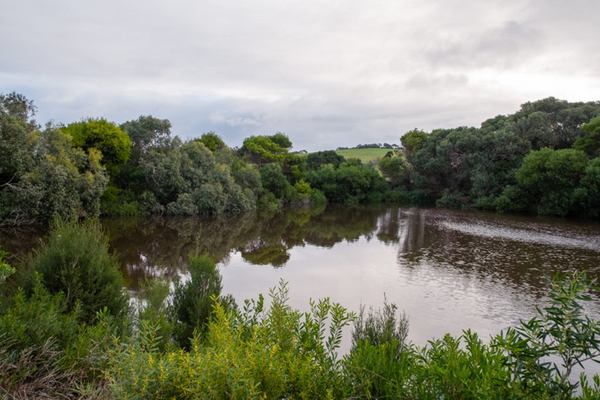
Artificial water bodies, such as farm dams, can be important refuge habitat for native species during drought, enabling them to persist through dry periods and recolonise the surrounding landscape after conditions improve. The project is a field-based study which uses a range of methods to investigate which farm dam characteristics are associated with waterbug (macroinvertebrate) biodiversity. Water plants (macrophytes) and waterbug diversity is compared across multiple farm dams, including those that have been enhanced (e.g. stock excluded and revegetation works). The project compares freshwater biodiversity across farm dams with different characteristics, ranging from those which are unfenced and have little or no vegetation to others which are fenced with extensive established riparian vegetation.
The project will enhance our understanding of the biodiversity value of farm dams in modified landscapes, particularly their potential role as climate-resilient refuges for aquatic macroinvertebrates. By identifying the habitat features most strongly associated with macroinvertebrate community structure, the project will inform more effective targeted enhancement or restoration efforts by providing evidence-based guidance for landowners on how farm dam management practices such as stock exclusion and revegetation may influence freshwater biodiversity and ecosystem functioning.

The biodiversity benefits of the Greening Farm Dams project builds on substantial work already undertaken, which has demonstrated that simple practices involving managing riparian vegetation and limiting stock access to farm dams can result in benefits to landholders including substantial improvements in water quality as well as biodiversity and ecosystem function gains, and contributes to the growing body of research highlighting the critical role of privately managed land and water in conservation strategies within modified landscapes.
